


Hopeful insights into healthy ageing
We are all getting older, but we still only partially understand how that process works. A recent study by Emory University shows that psilocybin plays a surprising role in slowing down ageing. Magic truffles are often associated with creativity and psychological growth, but this research points to a more profound effect, namely that psilocybin appears to influence the rate at which our bodies age.
What if mind expansion also means cell renewal?
Scientists investigated the impact of psilocybin, the active ingredient in magic truffles, on human cells and mice. The focus was not on its hallucinogenic effects, but on whether this natural substance also influences the ageing process. The answer appears to be a resounding ‘yes’.
In human fibroblasts, or connective tissue cells, researchers observed that psilocin, the active metabolite of psilocybin, can extend cell lifespan by as much as 57 per cent. This occurred without the cells growing uncontrollably or showing signs of cancer. On the contrary, they aged more slowly and showed less oxidative stress. Telomere length, a well-known indicator of biological ageing, was also better preserved.
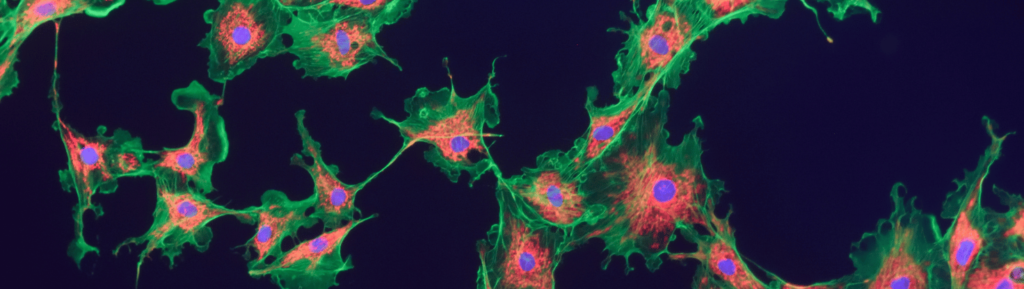
The researchers also noted that the cells showed fewer signs of senescence, a condition in which cells stop dividing but continue to secrete pro-inflammatory substances. These senescent cells contribute to ageing and age-related diseases. By slowing down this process, psilocybin could, in theory, have a protective effect against chronic diseases.
From Petri dish to mouse life
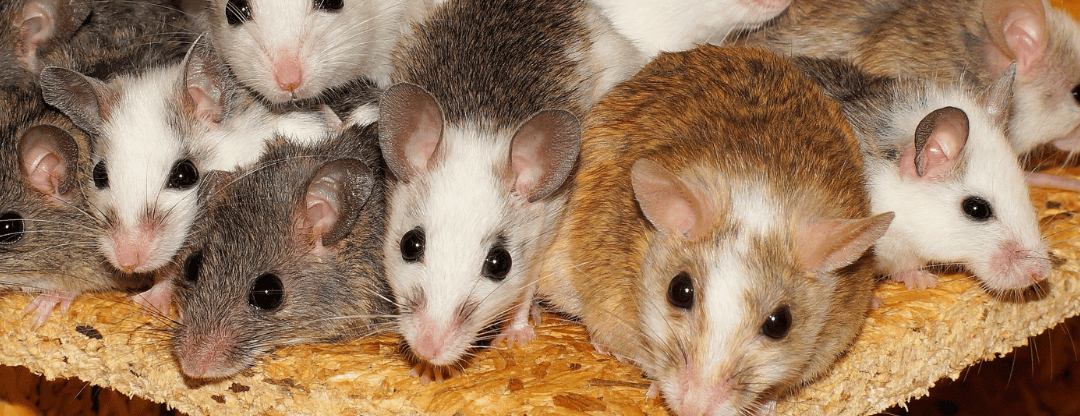
The Emory University team did not limit themselves to laboratory mice. They also studied older mice aged nineteen months, which is comparable to a human aged sixty to sixty-five. These mice were given a monthly oral dose of psilocybin, based on human doses from clinical studies. The result was remarkable. Eighty per cent of the mice survived the entire ten-month treatment period, while only fifty per cent of the control group survived.
It was noticeable that the fur of the treated mice looked healthier. They lost less hair and the colour of their fur was better preserved. Their physical behaviour also appeared to remain more vigorous, although this needs to be investigated further. These visual and behavioural signals are relevant because they may indicate broader systemic effects of psilocybin on the ageing body.
An important detail: the dose of psilocybin administered was very low and based on existing guidelines for human microdosing. This suggests that the effect does not depend on hallucinations or intense experiences, but rather on subtle biochemical changes that manifest themselves over a longer period of time.
The mystery of SIRT1 and cell rejuvenation
A striking effect was found in the expression of the enzyme SIRT1. This enzyme is known as a regulator of cell ageing, DNA repair and oxidative stress. Psilocybin increased SIRT1 levels. At the same time, markers of DNA damage and cellular ageing decreased. This supports the idea that psilocybin not only has a psychological effect, but also offers biological protection.
SIRT1 is often referred to as the body's ‘rejuvenation switch’ because it plays a key role in maintaining cell health under stressful conditions. The increased activity of SIRT1 could explain why cells remain functional for longer and are less likely to succumb to senescence.
These findings are consistent with the psilocybin-telomere hypothesis. According to this hypothesis, psilocybin influences telomere length and thus the rate of biological ageing. Telomeres are the protective ends of chromosomes that become slightly shorter with each cell division. The longer they remain intact, the longer cells can divide healthily.
What does this mean for people?
Although this research is limited to cells and mice, the implications are promising. If psilocybin has a similar effect in humans, it opens the door to new applications for healthy ageing. Think of the prevention or delay of age-related diseases such as Alzheimer's or cardiovascular disease.
There is also potential for applications in geriatric psychiatry. Older adults with depressive symptoms or cognitive decline could benefit from psilocybin, not only through its psychological effects, but also potentially through its biological support of cell health.
At the same time, psilocybin remains a regulated substance. Nevertheless, there is growing interest in its therapeutic potential. In the United States, the FDA has already granted psilocybin the status of ‘breakthrough therapy’ for treatment-resistant depression. This type of fundamental research helps to further substantiate the social and medical value of this natural compound.
Nature knows how to deal with time
At Fresh Mushrooms Ltd, we have believed in the power of fungi for years. Not only as a source of inspiration, but also as a bridge between body and mind. This study confirms what we experience every day in our nurseries. Nature holds the solutions to problems that we are only just beginning to understand.
Magic truffles are a natural product that works through the so-called entourage effect. Psilocybin plays a major role in this, but it is only one of many substances that work together to produce the overall effect. Centuries-old traditions and modern science are becoming increasingly intertwined in this area.
These new insights invite more interdisciplinary research. Biologists, doctors, psychologists, and philosophers can work together to paint a more complete picture of what psilocybin teaches us about ageing. Not only at the cellular level, but also about meaning, acceptance, and mental flexibility, which are essential in the second half of life.
Ageing as an invitation to deepen
Getting older doesn't have to mean decline. The insights from this research make it clear that we can still make vital choices in later life. Psilocybin seems to have a surprising role to play in this. Not by masking symptoms, but by slowing down ageing at the cellular level and supporting resilience.
Anyone who pays close attention to how truffles work will see that they not only open up consciousness, but also stimulate subtle processes in the body. This makes them a promising tool in integrated healthcare.
Conclusion: one step closer to healthy ageing
This groundbreaking research shows that psilocybin works much more broadly than often thought. Not only at the level of the mind, but also down to the cellular level. Although it is still too early to draw definitive conclusions for humans, it offers hope for future treatments for ageing and age-related diseases.
**Source:** Read the original study here: https://pmc.ncbi.nlm.nih.gov/articles/PMC12238350/pdf/41514_2025_Article_244.pdf
-
Read more about Microdosing XP Or take a look at our points of sale.
