


Addiction clinic Jellinek is starting a pilot study into a new form of treatment for people with severe alcohol addiction. For the study, the institution received a grant from the Rotterdam People's Association Foundation (SVR).
The study combines psilocybin with Acceptance & Commitment Therapy (ACT). The researchers want to find out whether this combination can play a role in clients for whom existing treatments have not brought sufficient results.
The pilot focuses on people with long-term and persistent alcohol addiction. For this group, current treatment methods do not always appear to be sufficiently effective. The study should therefore first clarify whether this approach is feasible, safe and feasible within addiction care.
How the survey is conducted
The research is conducted by Kenan de Leeuw, under the supervision of Marleen de Waal, in collaboration with Stephan Tap of the University Medical Center Groningen (UMCG) and specialists within Jellinek and Arkin.
Within the study, psilocybin is used in combination with Acceptance & Commitment Therapy (ACT). This form of therapy focuses on increasing psychological flexibility and helping people make conscious choices in behaviour and life direction.
Among other things, researchers want to better understand:
- whether this form of treatment is practical within addiction care
- Whether the combination of psilocybin and ACT can be used safely
- what role the psychedelic experience might play in the recovery process
Participant recruitment is expected to start in autumn 2026.
With this pilot, Jellinek is taking a first step to investigate whether psychedelic therapy can play a role within Dutch addiction care. For addiction care, this is an interesting development.
The study joins a series of studies conducted internationally in recent years on psychedelics and mental health.
Universities such as Johns Hopkins in the United States and Imperial College London have been publishing studies on psilocybin for depression, trauma and addiction problems for some time. Their results have generated new scientific interest worldwide.
Research into psychedelic substances has also been conducted in the Netherlands for some time.
Dutch research on psychedelics
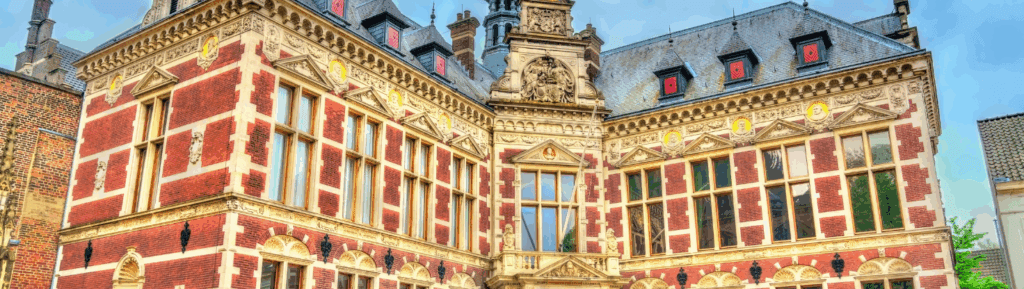
Also in the Netherlands, scientific research on psychedelics and their possible role within mental health care has been going on for quite some time. Several universities and medical centres are studying how substances such as psilocybin affect the brain and what significance this may have for treatment of mental disorders.
Research at the University Medical Centre Groningen (UMCG) includes research on psilocybin in depression. This involves researchers looking at changes in brain activity and how people experience their thoughts and emotions after a psychedelic session.
Maastricht University has long had a research programme on psychedelics and consciousness. Among other things, these studies examine cognitive processes, perception and the effects of various psychedelic substances on the human brain.
Also at Utrecht University, researchers are working on studies on psychedelics and mental health. These look at the possible role of these substances within psychological treatment and the neurobiological processes involved.
Dutch scientists also regularly collaborate with international research centres where similar research is taking place, such as Johns Hopkins University in the United States and Imperial College London in the United Kingdom.
Jellinek's research into psilocybin in alcohol addiction is part of this wider scientific development. More and more institutions are investigating how psychedelics, in combination with therapy, could potentially play a role in mental disorders for which existing treatments are not always sufficiently effective.
Why psilocybin is being investigated for addiction

Addiction is among the most intractable problems within mental health care. Many people succeed in reducing or stopping their use with existing treatments, but a significant proportion of clients continue to fall back into old patterns.
Alcohol addiction is a well-known example. Behavioural patterns around use often become deeply intertwined with emotions, beliefs and daily routines. Therapy therefore focuses not only on stopping drinking, but also on changing underlying patterns of thinking and behaviour.
Researchers are interested in psilocybin because previous studies suggest that psychedelic experiences can temporarily take people out of fixed mental patterns. During such experiences, participants often report a strong sense of introspection, a different perspective on personal problems and greater awareness of their own behaviour.
Within a therapeutic context, such an experience can trigger a rethinking of existing habits and beliefs. This makes it interesting for researchers to investigate whether psilocybin, combined with therapy, can help people approach their relationship with addictive behaviour differently.
International studies on psychedelic therapy in addiction, including research on alcohol and nicotine addiction, show preliminary but promising results. At the same time, researchers stress that further studies are needed to better understand under what circumstances this approach can be effective and safe.
Jellinek's research therefore focuses initially on the feasibility and safety of this form of treatment within Dutch addiction care. If such studies show positive results, this could form the basis for larger follow-up studies.
Psilocybin within therapy

Within Jellinek's research, psilocybin is not used separately, but always in combination with psychotherapy. Participants are carefully prepared for the experience, guided during the session and then supported in integrating what they have experienced.
This approach is now common within scientific studies of psychedelics. Researchers have found that the context in which a psychedelic experience takes place plays an important role. Therefore, many studies work with a clear therapeutic framework that focuses on safety, preparation and guidance.
In Jellinek's research, psilocybin is combined with Acceptance & Commitment Therapy (ACT). This form of therapy helps people distance themselves from stubborn thoughts and behavioural patterns and focus more on values and conscious choices in daily life.
Researchers are interested in whether a psychedelic experience can help people look at their own behaviour, habits and beliefs with more openness. Addiction often involves deeply rooted patterns. An intensive experience within a therapeutic setting can sometimes open up new perspectives.
International studies show that such sessions often involve strong introspection and a different way of looking at personal problems. Therefore, researchers pay a lot of attention to the post-session phase, in which participants discuss their experiences and translate them into concrete changes in their daily lives.
The Jellinek study investigates whether this combination of psilocybin and ACT therapy can be safely and responsibly applied to people with severe alcohol addiction. The study should primarily provide insight into the feasibility of this form of treatment within Dutch addiction care.
Magic truffles and natural complexity
Many scientific studies use isolated psilocybin, a pure substance produced in a laboratory. This makes research verifiable and easily comparable.
In nature, however, psilocybin never occurs on its own.
Magic truffles are the underground sclerotium of a fungus from the genus Psilocybe. This compact structure is created when the mycelium stores nutrients underground. These sclerotia contain several natural compounds, including psilocybin, psilocin, baeocystin and other related alkaloids.
Together, these substances form a complex biological whole. Within science, there is increasing talk of the entourage effect: the idea that different natural compounds can influence each other and together determine the overall effect.
Researchers are trying to better understand how these substances work together and what role that interplay plays in the experience and possible therapeutic applications.
Magic truffles therefore represent an interesting interface between nature, tradition and modern science. In nature, psychedelic fungi have been known for centuries and used in different cultures within ritual and spiritual contexts.
Today, researchers are taking another look at these organisms, but using modern scientific methods and within a therapeutic framework.
At Fresh Mushrooms Ltd, Magic truffles have been cultivated in a controlled manner for years. From that practice, international research into psychedelics is followed with great interest. The combination of nature, artisanal cultivation and scientific research makes these special fungi a fascinating subject within both biology and psychology.
Microdosing

In addition to research into higher-dose therapeutic applications, there is also interest in microdosing. Microdosing involves using very small amounts of Magic truffles, well below the level at which a psychedelic experience occurs.
The purpose of microdosing is not to experience a psychedelic trip. The doses are so low that daily functioning continues as usual. People who microdose sometimes describe subtle changes, such as increased focus, clearer thinking or greater sensitivity to creative ideas.
In recent years, microdosing has become a regular topic of scientific interest. Researchers are trying to better understand how low doses of psychedelic substances affect the brain and whether there are measurable effects on mood, concentration or cognitive flexibility. At the same time, scientists stress that this field of research is still developing and more studies are needed to properly interpret the possible effects.
From years of experience with Magic truffles, Microdosing XP developed. This product line consists of carefully selected truffles grown under controlled conditions. Working with precisely formulated portions makes it easier to maintain a consistent low dosage.
Fresh Mushrooms Ltd only supplies these products to specialised outlets and partners. The company does not organise retreats or therapy sessions itself, but focuses on growing Magic truffles of consistent quality and sharing reliable information on responsible use.
Read more about Microdosing XP: https://microdosingxp.com/nl/microdosing-xp/
Or take a look at our sales outlets: https://microdosingxp.com/nl/verkooppunten/